Source Motorcycle Gearbox Support Plate for Scooters, Bikes, and Tricycles
Find 30 listings for the motorcycle gearbox support plate from verified Chinese manufacturers. Buyers can compare specifications, certifications, and pricing for models like Ax-100, Wave125, and CG125 to find the right fit for their needs.
Key considerations
Products List


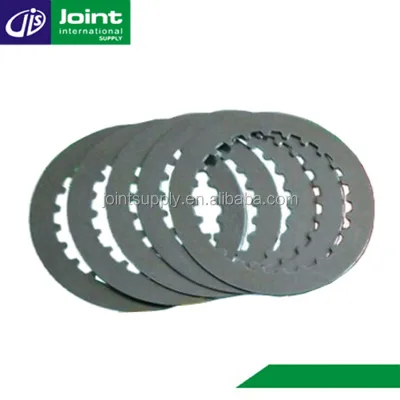
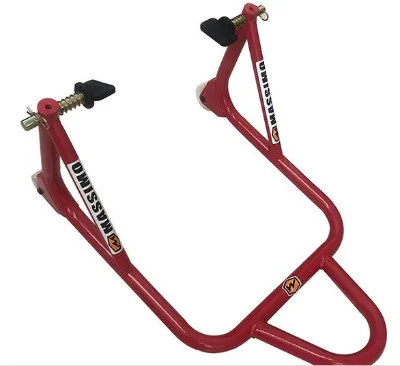


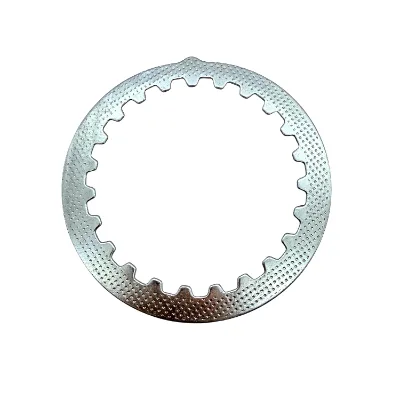
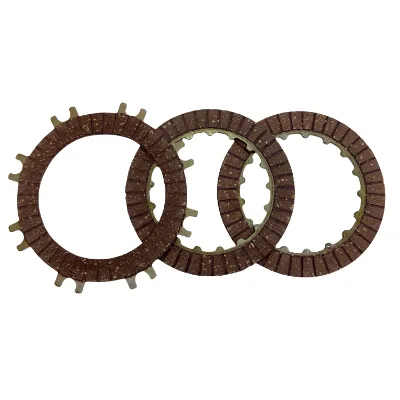
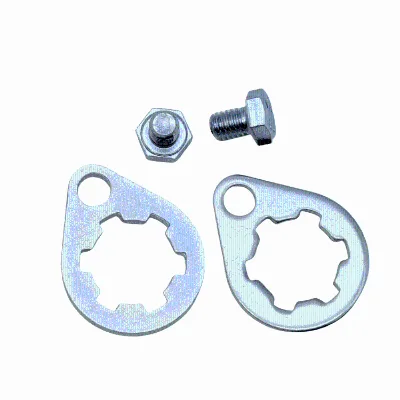

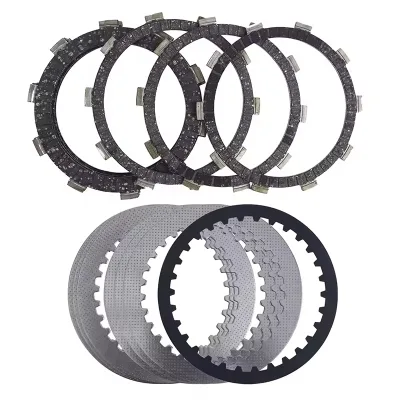
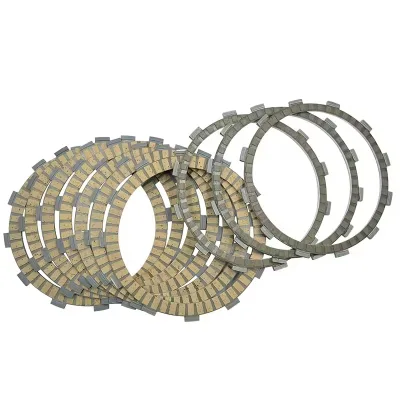
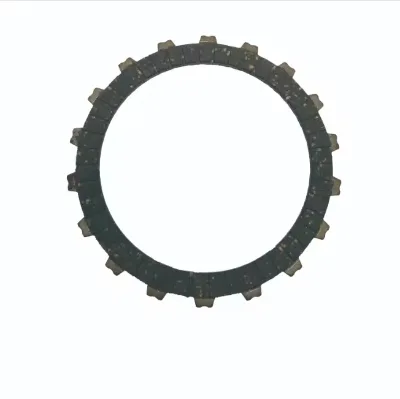
Comprehensive Sourcing Guide
Strategic Sourcing Guide for Motorcycle Gearbox Support Plates
The global market for motorcycle components has seen a steady evolution, with the gearbox support plate emerging as a critical element in maintaining transmission integrity and overall vehicle stability. For procurement professionals, understanding the nuances of sourcing this specific part requires a deep dive into technical specifications, material science, and supply chain reliability. This guide provides a structured approach to identifying, evaluating, and acquiring high-performance motorcycle gearbox support plates, ensuring that the final procurement decision aligns with rigorous quality standards and operational requirements.
Technical Specifications and Component Architecture
When evaluating a motorcycle gearbox support plate, the primary focus must be on the precise engineering tolerances and material composition that define its function. The component serves as a structural anchor for the transmission assembly, absorbing torsional forces and maintaining alignment between the engine and the gearbox. In the current market, specifications vary significantly based on the target motorcycle model. For instance, some listings explicitly reference compatibility with specific models such as the Ax-100, CG, Wave125, and RACAL, while others are marketed as universal solutions.
The material composition is a decisive factor in performance. Available data indicates that high-quality support plates are often constructed from steel to ensure durability under high-stress conditions. However, some related clutch components utilize a rubber base material to dampen vibration, suggesting that the specific application of the support plate may involve composite materials or specific coating treatments. Buyers must verify the exact material grade, as the "Steel" designation implies a need for high tensile strength, whereas "Rubber Base" attributes might indicate a different functional role or a composite assembly. Furthermore, the manufacturing process is typically mass production, which allows for economies of scale but necessitates strict quality control to maintain consistency across batches. The design must accommodate the specific cylinder configuration, often a single-cylinder four-stroke engine, and align with the internal combustion principles of power stroke expansion.
Compliance and Certification Verification
Navigating the regulatory landscape is essential for international procurement. The motorcycle parts industry is heavily regulated, particularly regarding safety and environmental standards. A robust supplier portfolio often includes a range of certifications that validate their manufacturing processes and product safety. Verified data points to a comprehensive certification suite including CCC (China Compulsory Certification), ISO9001 for quality management, RoHS for restriction of hazardous substances, CE for European conformity, DOT for Department of Transportation compliance, and EEC for European Economic Community standards.
Buyers should not assume that every listed product automatically possesses all these certifications. Instead, the procurement strategy must involve a direct request for current, valid certification documents for the specific batch of gearbox support plates being purchased. The presence of "CCC, CE" on some listings and "CCC, ISO9001: RoHS, CE, DOT, EEC" on others suggests that certification levels can vary by supplier or product line. It is critical to verify that the certifications match the destination market of the motorcycle. For example, DOT and EEC are mandatory for vehicles sold in North America and the European Union, respectively. Relying on a supplier's general claim without verifying the specific certificate for the "Motorcycle Fork Plate" or "Clutch Friction Plate" equivalents is a significant risk. The "Joint Supply" brand and "Jalyn" brand mentioned in the context highlight that different manufacturers may hold different certification statuses, requiring individual due diligence.
Cost Drivers and Pricing Dynamics
The pricing structure for motorcycle gearbox support plates is influenced by several variables, including material costs, customization requirements, and order volume. The observed market price range spans from $0.10 to $25.00 USD, a wide spectrum that reflects the diversity of product quality, material grade, and brand positioning. A unit price at the lower end of this range likely corresponds to basic, non-customized components with minimal packaging, while prices approaching the upper limit may include specialized engineering, OEM branding, or premium material treatments.
A significant cost driver is the Minimum Order Quantity (MOQ). The market data indicates an MOQ range from 1 to 5,000 units, with a specific high-confidence observation of 300 PCS for certain models. Suppliers often structure their pricing tiers based on these thresholds. Ordering below the standard MOQ of 300 PCS may incur a premium per unit or require a special handling fee. Conversely, orders exceeding 5,000 units might unlock volume discounts, though this depends on the supplier's production capacity. The "One-Stop Source" advantage offered by some suppliers can also impact cost, potentially bundling the support plate with other components like clutch discs or packing materials to reduce overall logistics expenses. Buyers must calculate the total landed cost, factoring in the MOQ constraints, to determine the most economical procurement strategy for their specific inventory needs.
Typical Applications and Model Compatibility
The application of the motorcycle gearbox support plate is highly model-specific, though universal options exist. The component is designed to fit a variety of engine types, including four-stroke gasoline engines with electric or kick-start mechanisms. Specific model compatibility is a frequent point of confusion in the market. Some listings explicitly state "for Tricycle" or "for Motorcycle," while others list specific model numbers like "KVB," "KAB," and "CG." The "Universal" standard suggests a design that can be adapted to multiple platforms, but this often requires verification of mounting hole patterns and shaft diameters.
The distinction between "Motorcycle Fork Plate" and "Clutch Friction Plate" in the data suggests that the term "support plate" might be used interchangeably or refer to a specific sub-assembly within the transmission system. Buyers must ensure that the part number matches their specific motorcycle's requirements. For instance, a plate designed for a CG125 model may not fit a Wave125 without modification. The "Various models'specification" and "as per your request" standards indicate that customization is a viable path for buyers with unique requirements. However, relying on "Universal" claims without cross-referencing the physical dimensions against the target vehicle's service manual is a common pitfall. The application also extends to the thermal management of the engine, as the support plate must withstand the heat generated by the internal combustion process.
Supplier Evaluation and Operational Capacity
Selecting the right supplier is as critical as selecting the right part. The market data reveals a concentration of suppliers in Zhejiang, China, a region known for its manufacturing capabilities in automotive and motorcycle components. Key evaluation criteria should include the supplier's production capacity, lead time, and packaging standards. A typical delivery time observed is 30 days, which is a standard benchmark for mass production runs. However, buyers should confirm if this lead time includes the time for customization or if it applies only to stock items.
Packaging is another vital indicator of supplier professionalism. Options range from "Neutral Packing" and "Paper Carton Box" to "Lpi Packing" and "Color Box." The choice of packaging affects the safety of the product during transit and the readiness for retail display. Suppliers offering "Lpi Packing" or "Boxes and Cartons" may have more robust logistics networks. Additionally, the availability of OEM services is a strong differentiator. Suppliers who offer "OEM: Yes" and "Customization: Available" are better positioned to meet the specific branding and technical needs of large-scale buyers. The "Joint Supply" and "Jalyn" brands serve as examples of established players, but buyers should not limit their search to these names. Instead, they should evaluate potential partners based on their ability to provide consistent quality, adherence to the 30-day delivery window, and the flexibility to handle order volumes from 300 to 5,000 units.
Quality Control and Long-Term Procurement Strategy
Ensuring long-term reliability requires a proactive quality control strategy. The "High Quality Performance" attribute is a common marketing claim, but it must be substantiated through rigorous testing. Buyers should request sample units for physical inspection, focusing on dimensional accuracy, surface finish, and material hardness. The "Four Stroke Principle" and "Internal Combustion Type" specifications imply that the part must endure significant thermal and mechanical stress. Therefore, quality control should include checks for warping, cracking, and proper fitment under simulated operating conditions.
For long-term procurement, establishing a partnership with a supplier who offers "One-Stop Scourse" (likely a typo for Source) can streamline the supply chain. This approach reduces the complexity of managing multiple vendors for different components. However, buyers must maintain a diversified supplier base to mitigate risks associated with production delays or quality fluctuations. Regular audits of the supplier's ISO9001 compliance and their ability to maintain the "High Quality Performance" standard over time are essential. The "Stroke: Four Stroke" and "Cylinder NO.: 1 Cylinder" details highlight the need for parts that are compatible with specific engine architectures, making it crucial to maintain accurate records of the exact specifications required for each motorcycle model in the buyer's portfolio.
Comparative Analysis of Product Attributes
To facilitate decision-making, the following table summarizes the key attributes observed in the market for motorcycle gearbox support plates and related components. This comparison highlights the variability in specifications, certifications, and packaging that buyers must navigate.
| Attribute Category | Observation A | Observation B | Observation C |
|---|---|---|---|
| Product Name | Motorcycle Fork Plate | Clutch Friction Plate | Motorcycle Engine Parts |
| Material | Steel | Rubber Base | Steel |
| Certifications | CCC, CE, DOT, EEC, RoHS, ISO9001 | CCC, CE | ISO9001 (Implied) |
| MOQ | 300 PCS | 300 PCS | 1 - 5000 PCS |
| Delivery Time | 30 Days | 30 Days | 30 Days |
| Origin | Zhejiang, China | China | China |
| Packaging | Lpi Packing / Paper Carton Box | Color Box | Neutral / Jalyn Packing |
| Customization | Available | As per request | Available |
| Standard | Universal / Various Models | Universal | For Tricycle |
This table illustrates that while the core function remains consistent, the specific attributes vary widely. Buyers must use this data to filter suppliers based on their specific needs. For example, if a buyer requires a steel component with DOT certification for the US market, they must prioritize suppliers listing those specific attributes over those offering rubber-based or universal-only options. The variation in packaging and MOQ also suggests that the total cost of ownership will differ significantly between suppliers, reinforcing the need for a comprehensive evaluation before placing a large order.
In conclusion, sourcing a motorcycle gearbox support plate requires a meticulous approach that balances technical specifications, regulatory compliance, and supplier reliability. By focusing on verified data points such as material composition, certification validity, and lead times, buyers can navigate the complexities of the global market and secure high-quality components that ensure the longevity and performance of their motorcycle fleets. The diversity of options available, from specific model compatibility to universal designs, offers flexibility but demands careful due diligence to avoid compatibility issues and quality failures.
FAQs
What certifications do motorcycle gearbox support plates typically have?
Products often carry certifications like CCC, CE, ISO9001, RoHS, DOT, and EEC. Buyers must verify specific documents for each batch, as not every listing includes all certifications, and requirements vary by destination market.
Can I customize the motorcycle gearbox support plate specifications?
Customization is available for many models including Ax-100 and CG. Suppliers offer various models' specifications and can produce as per your request, allowing for tailored solutions to fit specific engine architectures.
What is the typical minimum order quantity for these parts?
The standard MOQ is often 300 pieces, though ranges from 1 to 5000 exist. Ordering below 300 may incur premiums, while larger volumes might unlock discounts depending on the supplier's production capacity and pricing tiers.
How long does delivery take for mass production orders?
The typical delivery time is 30 days for mass production runs. This lead time applies to standard orders, but buyers should confirm if customization or specific packaging requirements extend the schedule beyond this benchmark.
Which materials are used for motorcycle gearbox support plates?
Materials include steel for durability and rubber base for vibration damping in related components. Buyers must verify the exact material grade, as steel implies high tensile strength while rubber base serves different functional roles.
Where are these motorcycle parts typically manufactured?
Most suppliers are located in Zhejiang, China, a hub for automotive components. This region offers manufacturing capabilities but requires verification of specific factory locations and logistics networks for international shipping reliability.